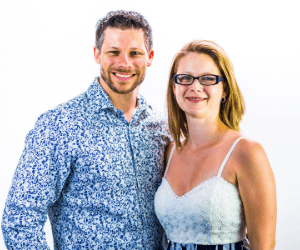
WHO IS ADAM HENSON?
"Nothing Changes, Until You
Decide to Change
For most of my life, I believed a man’s job was to work hard, provide for his family and handle whatever life put in front of him.
So that’s what I did.
I became a correctional officer. I worked in demanding environments, served on an Emergency Response Team and learned how to stay calm when situations became unpredictable.
I could handle pressure at work.
But what I didn’t realize was how much of that pressure I was carrying home with me.
On the outside, I was doing what a responsible husband and father was supposed to do.
Inside, I was slowly becoming someone I didn’t recognize.
After being away from corrections for five years, I returned because it gave my family more financial security.
On paper, it was the responsible decision.
But the longer I stayed, the more exhausted and negative I became.
I would finish a shift and come home physically drained. Sometimes I could feel myself bringing the correctional environment through the front door with me.
I loved my wife.
I loved my kids.
But I wasn’t giving them the best of me.
Some days, I wasn’t giving them much of me at all.
I was in the room, but my mind was somewhere else. I was tired, distracted and always thinking about the next shift or everything that needed to be done.
Then one day, my kids tried to tell me something.
Before they finished, they said: “Never mind.”
That moment stayed with me.
They had already decided I wasn’t available, even though I was standing right there.
As a father, that hurt.
My own father wasn’t present in my life, and I never wanted my children to feel that same distance from me. Yet without realizing it, I was beginning to repeat a version of the pattern I promised myself I would break.
That was one of the moments when I knew something had to change.


I had become good at carrying responsibility.
Work the shifts.
Pay the bills.
Solve the problems.
Keep everything moving.
But I had stopped asking myself some important questions:
Who am I outside of what everyone needs from me?
What do I want my life to feel like?
What kind of husband and father am I becoming?
What am I actually working toward?
I had built a life that needed me, but I didn’t feel connected to myself inside it.
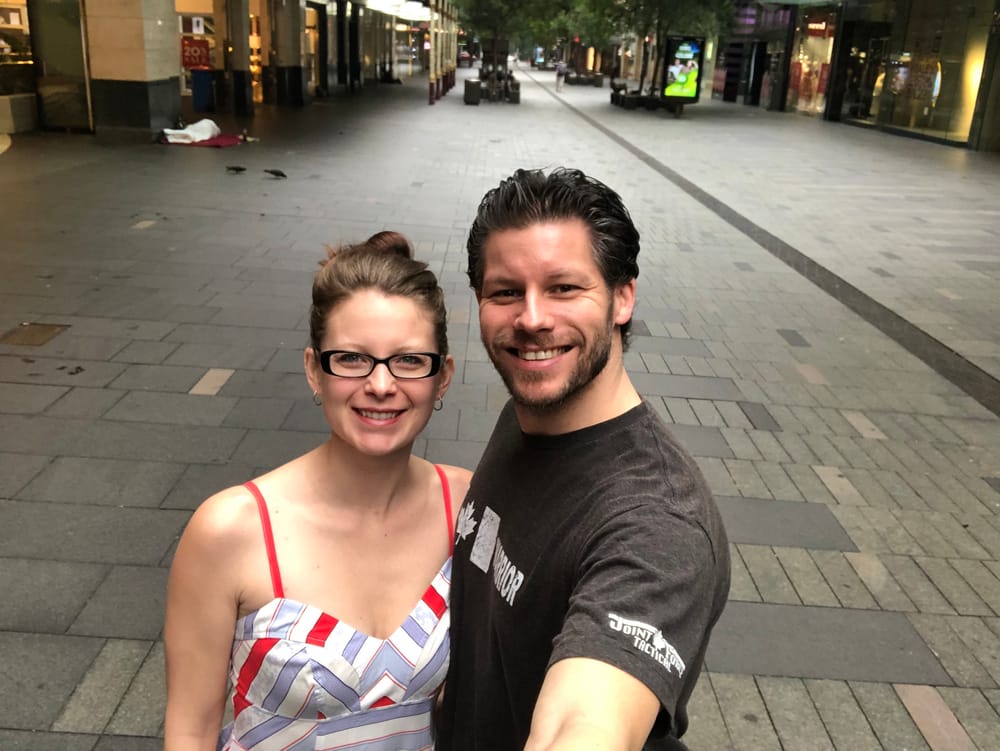
At the same time, I watched my wife, Christina, build her business and create momentum in her own life.
I was proud of her but if I’m being completely honest, I was also jealous.
She was growing, creating and moving toward something that mattered to her.
I felt stuck.
Admitting that wasn’t easy.
It would have been simpler to blame my job, my schedule, money or everything happening around me. But eventually, I had to stop looking outside myself and take an honest look at the man in the mirror.
The problem wasn’t that I didn’t love my life or my family.
The problem was that I had lost connection with who I was.
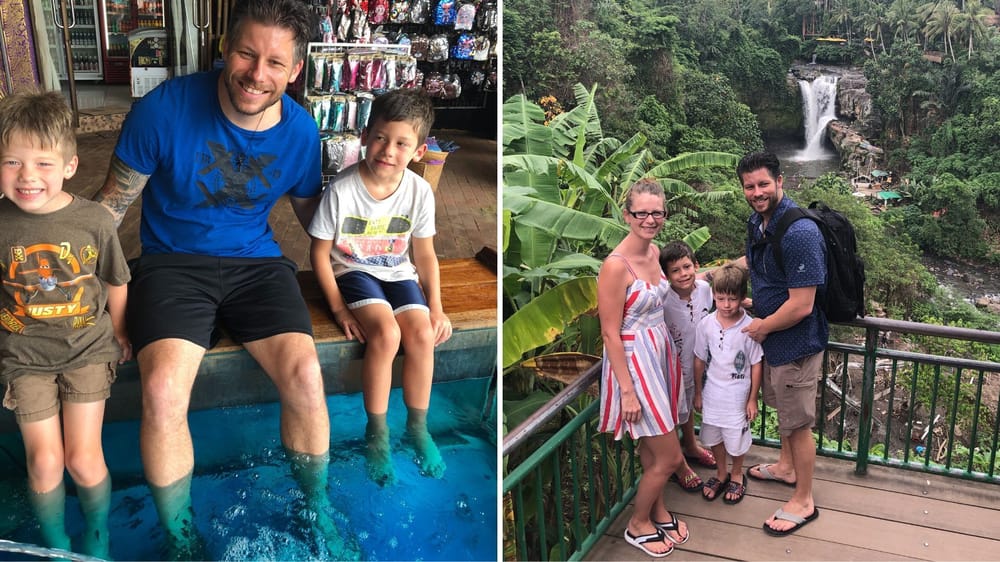
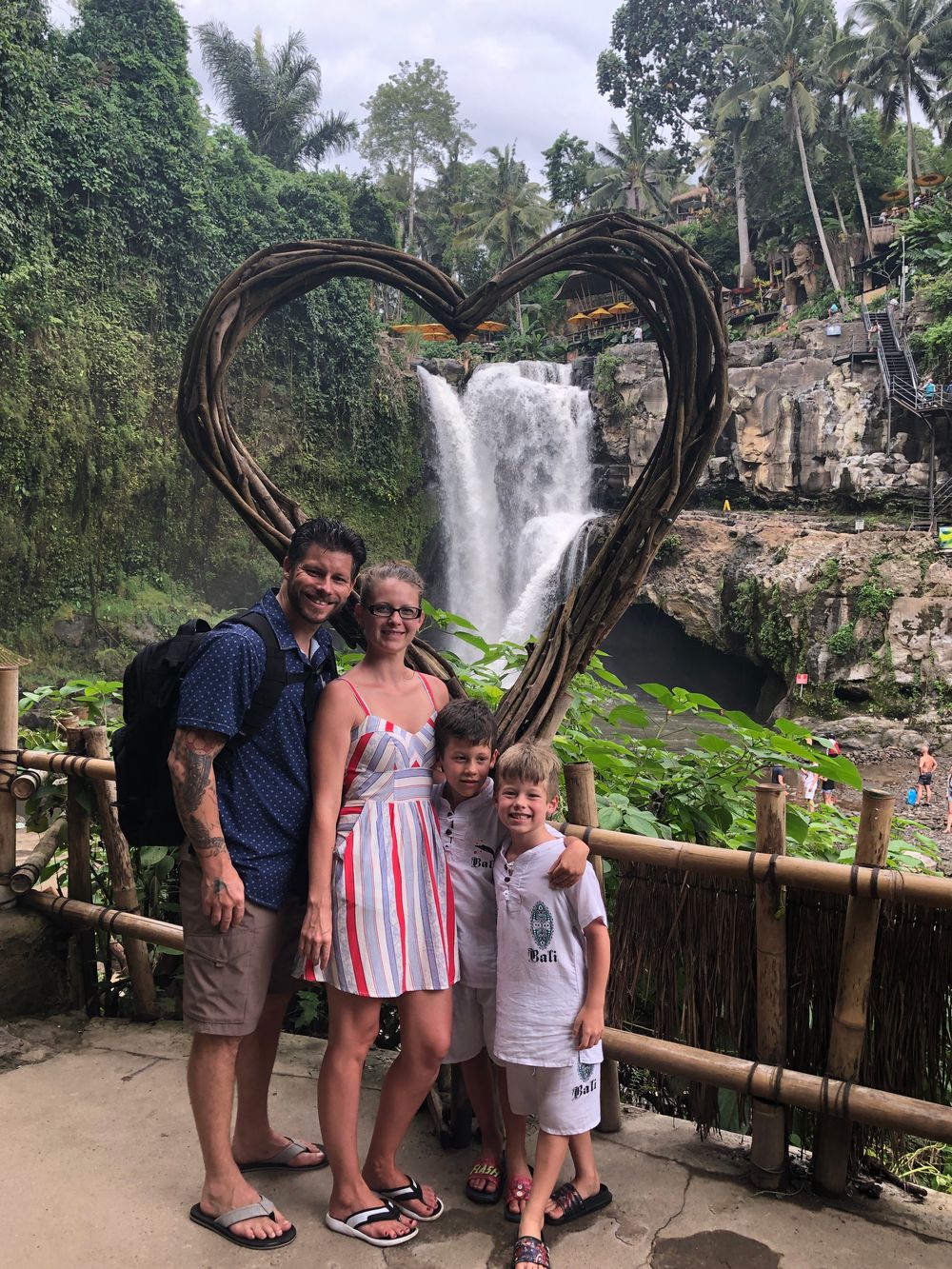
At one point, my family and I spent six months living in Indonesia.
My mornings looked completely different there.
I would wake up early, follow my morning routine and work on podcasts, posts and live videos. We would walk, spend time outside, drink coffee, explore and experience life together.
I felt peaceful.
I felt creative.
I felt playful.
Most importantly, I felt alive.
For the first time in a long time, I wasn’t simply recovering from work or preparing for the next shift. I had the time and energy to create, connect with my family and think about the man I wanted to become.
Indonesia gave me a glimpse of the freedom I wanted. But it also taught me something important:
Changing your location doesn’t automatically change what is happening inside you.
You can fly across the world and still bring your fears, beliefs and patterns with you. Eventually, I had to understand the difference between freedom and escape.
I didn’t want to run away from my life. I wanted to intentionally build a life that felt like mine.

CHANGE STARTED WITH SMALL, HONEST DECISIONS
There wasn’t one magical moment when everything changed.
It started with small decisions.
I began journaling every day.
I started paying attention to the thoughts I repeated and the emotions attached to them.
Before walking through the door after work, I would sometimes sit quietly for thirty seconds (or five minutes) so I could leave the shift behind and enter my home as a husband and father.
Christina and I began having morning mastermind conversations about our lives, our goals and what we wanted to create together.
I started walking more, spending time in nature and asking myself questions I had avoided for years.
What do I actually want?
What do I believe is possible?
What kind of man does my family need me to become?
I began understanding that my thoughts, emotions and actions were not separate.
They were working together like an operating system running my life.
If I wanted different results, I couldn’t focus only on motivation or discipline.
I had to work on my whole Life Operating System:
HEAD—how I think.
HEART—what I feel.
BODY—how I act.
That became the foundation of how I began rebuilding myself and how I now help other men rebuild themselves.
WHY I DO THIS WORK


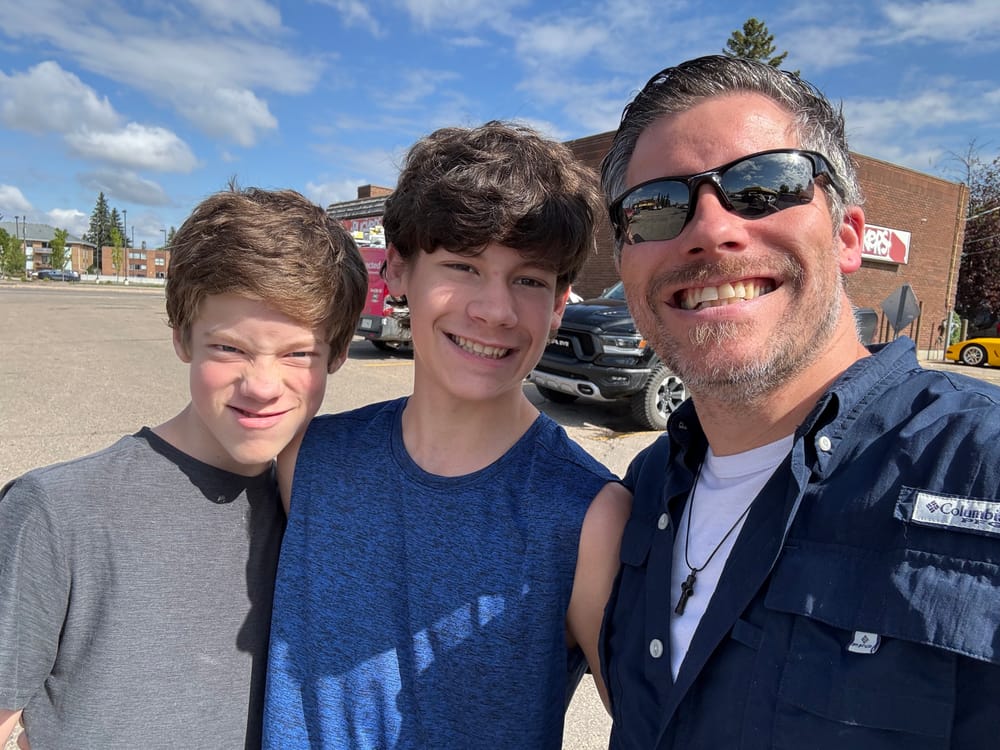
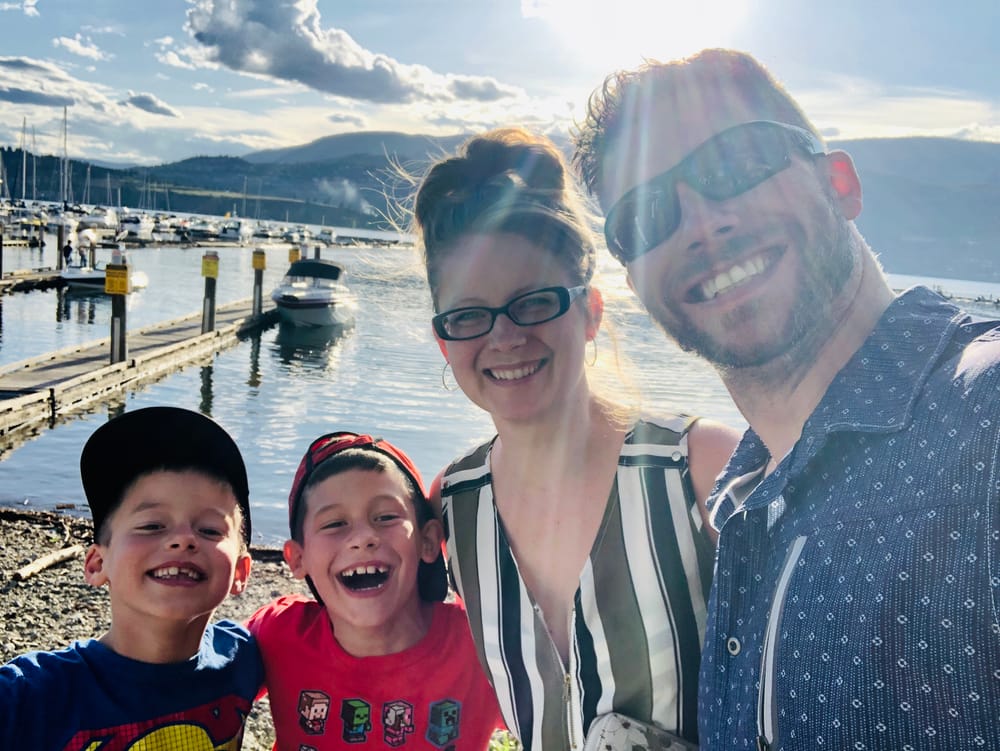
Being the husband to Christina and a father to Kayleb and Kesler is not just part of my story.
They are a major reason I do this work.
I know what it feels like to love your family but feel disconnected from them.
I know what it feels like to provide for everyone while quietly wondering:
When did I stop being me?
I know what it’s like to feel called toward something bigger while being afraid to leave the comfort and security of what you already know.
And I know the difference between wanting to abandon your life and wanting to feel alive inside it again.
I didn’t want to wake up one day and realize I had missed the years that mattered most.
I wanted my wife to feel like she had her husband back and my boys to know that their dad was truly there.
I wanted to show them that a man can change direction without walking away from everything he has built.
That rebuilding yourself isn’t selfish, it changes the way you show up for everyone you love.
That is why I work with husbands and fathers who don’t want to give up on their families but know they cannot keep living on autopilot.
WHO I HELP
The men I help are often doing well on the outside.
They work hard.
They provide.
They take care of what needs to be done.
But something feels missing.
They don’t feel like themselves anymore.
They feel distant from their wife, less patient with their kids and unsure about what they want from the next part of their life.
They don’t need another motivational speech.
They need a place where they can be honest about what is happening without being judged or made to feel broken.
My role isn’t to tell a man who he should become or choose his path for him.
My role is to challenge him, help him understand himself and give him practical tools to begin moving forward.
Because I believe every man is called toward something bigger.
That doesn’t always mean making more money, changing careers or moving across the world.
Sometimes it means becoming more present at dinner.
Having the conversation you keep avoiding.
Trusting yourself enough to make a decision.
Or becoming the husband and father you know you are capable of being.
MY MISSION
My mission is to help good men stop disappearing inside the provider role.
To help them reconnect with themselves without walking away from the people they love.
To help them become present husbands, connected fathers and men who are building their lives on purpose.
You are not broken.
But you do have to be honest about where you are.
You have to know the target.
And you have to decide that you are no longer willing to keep postponing the life you want to live.
Because tomorrow is built today.
Trust yourself. You’ve got this.