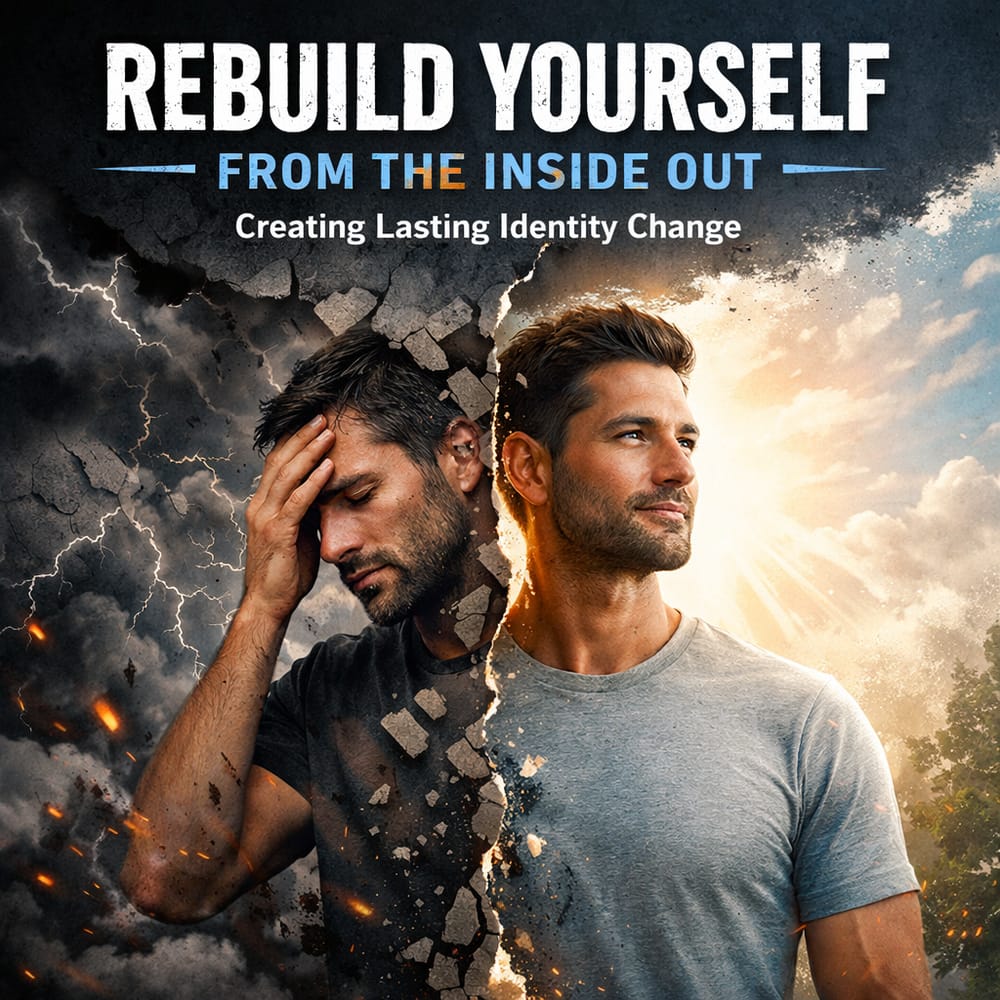
Rebuild Yourself From the Inside Out: How to Create an Identity That Actually Lasts in 2026
Friday, January 09, 2026

Rebuild Yourself From the Inside Out: How to Create an Identity That Actually Lasts in 2026
If you’re being honest with yourself, here’s the real problem:
You keep trying to become a better version of yourself—but under stress, you snap right back into old patterns.
You set goals.
You start strong.
And then fatigue, pressure, and emotions take over.
The issue isn’t that you don’t want to change.
We all want to change. We all want to grow. We all want to become a better version of ourselves.
The real issue is this: your identity collapses under real life.
In this post, I want to show you how to rebuild your identity from the inside out—so the version of you you’re working toward in 2026 doesn’t disappear the moment things get hard.
This isn’t about motivation.
It’s about building an identity your nervous system can actually maintain.
Why Change Keeps Falling Apart
Most people try to change in reverse.
They start by asking:
- What should I force myself to do differently?
- What goals should I chase?
- What habits should I build?
But behavior doesn’t create identity.
Identity creates behavior.
What usually happens is this:
You try to act like a future version of yourself while your nervous system is still trained by your past.
So when stress shows up— when you’re tired, overwhelmed, emotionally triggered— your system doesn’t choose who you want to be.
It defaults to who it already knows how to be.
That’s NOT a personal failure.
That’s how systems work.
What Identity Actually Is (And What It Isn’t)
Identity is not:
- A Vision Board
- A Declaration
- A Decision
- A Mindset
Identity is who you become under pressure.
It lives in:
- Your Nervous System
- Your Emotional Reflexes
- Your Default Reactions
That’s why people say,
“I don’t feel like myself anymore.”
What they’re really saying is:
“My internal system is trained for a version of life I don’t want anymore.”
And here’s the key truth most people miss:
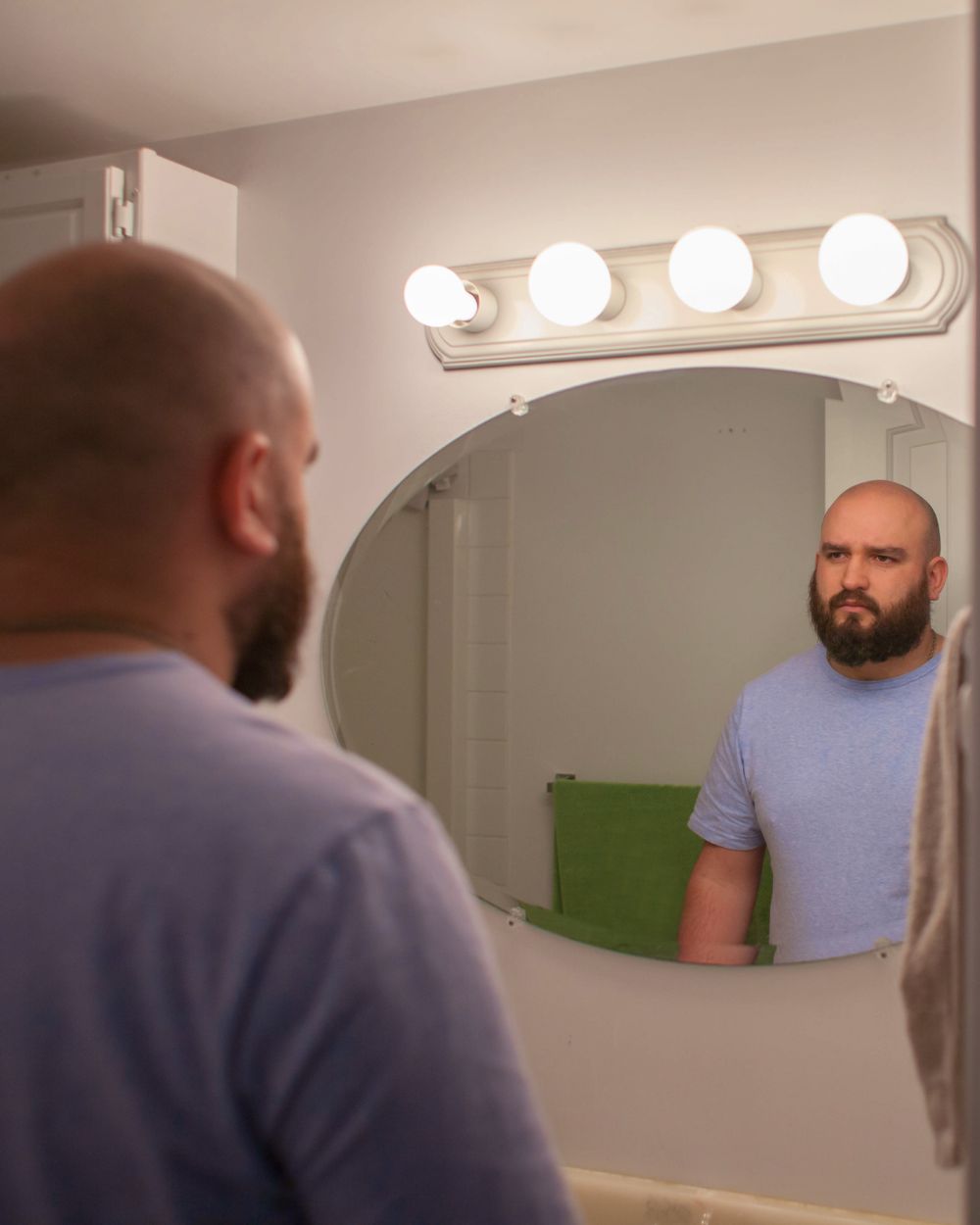
No amount of positive thinking retrains a system. Systems change through experience, not intention.
How to Rebuild Identity From the Inside Out
If you want a real identity shift, it has to happen in this order.
1. Regulation Before Reinvention
Before you become someone new, your system has to feel safe.
Calm comes before confidence.
Stability comes before discipline.
An unregulated nervous system will sabotage every new identity you try to build—not because you’re weak, but because it’s trying to protect you.
The first goal isn’t to “be better.”
The first goal is to
be more regulated.
2. Small Proof Beats Big Promises
Identity doesn’t change through declarations like:
“This is the new me.”
It changes through evidence.
Your system updates identity when it sees:
• “I followed through once.”
• “I stayed calm once.”
• “I kept one small promise.”
Not big wins.
Repeatable ones.
Consistency trains identity.
Intensity does not.
3. Train the Version of You That Shows Up Under Stress
The version of you that matters most isn’t who you are on a good day.
It’s who shows up when:
• You’re tired
• You’re overwhelmed
• You’re emotionally activated
That’s the version you train.
Not with force.
Not with pressure.
But with awareness and structure—especially in the moments where things usually fall apart.
A Simple Practice to Start Today
Here’s something you can begin immediately.
At the end of each day, ask yourself: (With)
No judgment.
No fixing.
Just noticing.
Awareness is the first signal your system needs to begin reorganizing itself.
1. Which version of me showed up today?
2. Did that version match who I’m training myself to become?
The Truth About Real Transformation
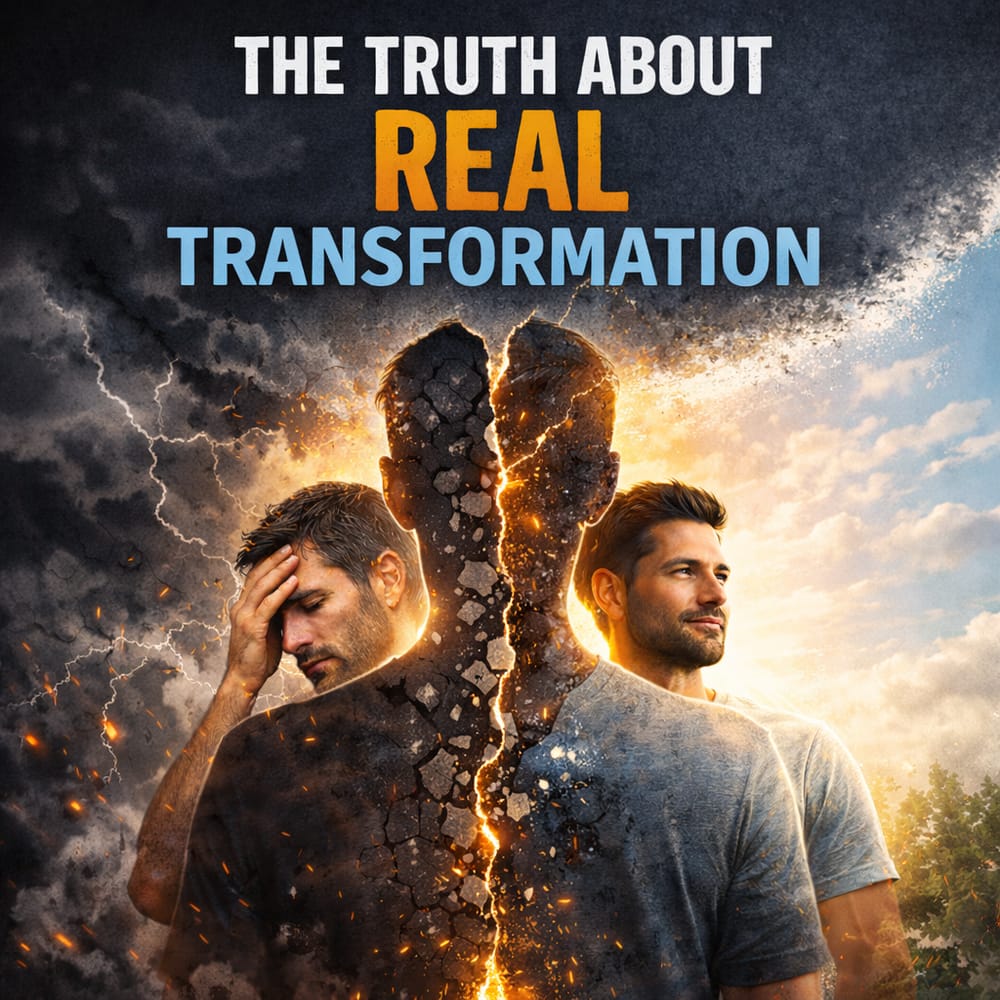
You don’t rebuild yourself by becoming someone else.
You rebuild yourself by intentionally training the version of you that shows up when life applies pressure.
2026 doesn’t need a hyped-up version of you.
It needs a grounded identity—one that can hold stress, emotion, and real life.
That’s what inside-out transformation actually looks like.
If this resonated, stay connected.
We’re not chasing motivation.
We’re rebuilding identity—on purpose.